Why do two condos in the same Sarasota building sell for very different prices? The answer usually sits outside the front door: the view, the floor you are on, and your unit’s line on the floor plate. If you are buying, you want to pay for the right features. If you are selling, you want to highlight what the market values most. In this guide, you will learn how floor height, unit line, water aspect, and orientation shape pricing, plus clear steps to compare units, avoid surprises, and negotiate with confidence. Let’s dive in.
What drives Sarasota condo value
Four elements shape value more than any others in Sarasota’s luxury condo market:
- Floor height: Elevation often improves view, privacy, and noise levels.
- Stack or line: Where your unit sits on the floor plate, corner vs interior, and window exposure.
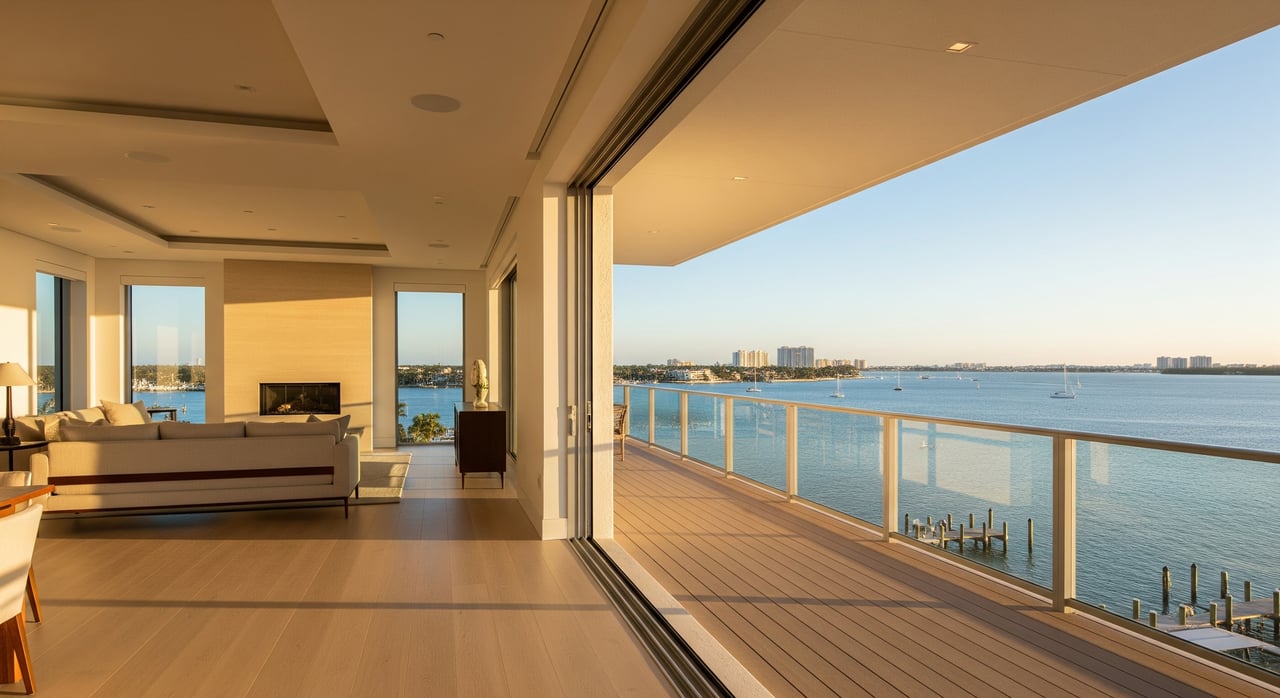
- Water aspect: Type and quality of view, from panoramic Gulf or bay to partial water, marina, or city.
- Orientation: Sun path, wind, and storm exposure that affect daily comfort and operating costs.
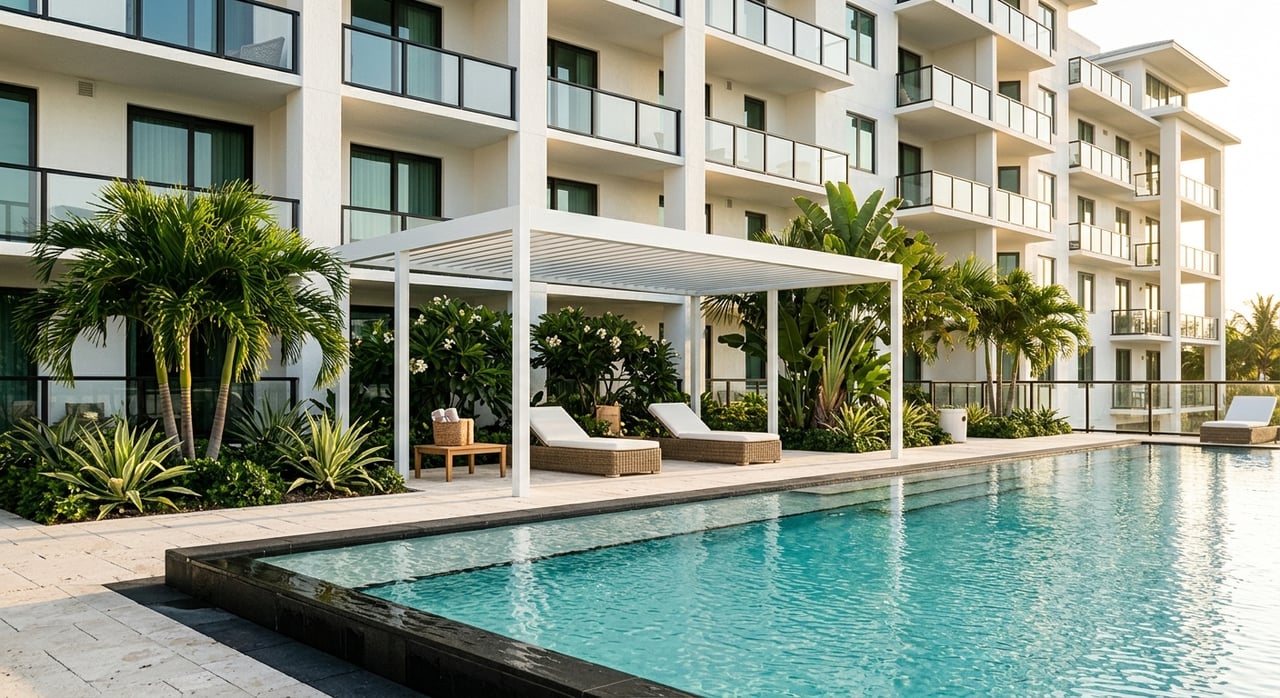
Secondary factors can amplify or mute those premiums. Balcony size and usability, window-to-wall ratio, privacy and sightlines, noise from streets or marinas, and building features like private elevators and amenities all influence how buyers perceive value.
Floor height premiums
Higher floors typically command higher prices because horizons open up, street noise falls, and privacy improves. In Sarasota, you may reach clear water views at lower floors than in dense city cores. On some beachfront or bayfront mid-rises, mid-level floors already clear trees and rooftops and deliver wide views.
Tradeoffs to weigh
- Wind and heat: Upper floors can feel windier on balconies and warmer at sunset on west-facing stacks.
- Elevator time and egress: More stops can mean longer waits and longer stairs in emergencies.
- Insurance and expenses: Elevation and wind exposure can influence coverage, glazing needs, and carrying costs.
- Penthouse differentials: Top floors often carry distinct premiums for exclusivity, higher ceilings, and private elevator access.
Stack and line explained
Unit “line” refers to the vertical stack of the same floorplan up the building. Corners and end stacks often enjoy dual-aspect views, wrap balconies, and more daylight. Mid-stack lines usually have a single primary exposure, which can narrow view corridors and reduce perceived value.
- Corner or end stacks: More windows, cross-ventilation, and privacy. Often price higher than mid-stacks when view quality is strong.
- Mid-stack lines: Sometimes more efficient interior space and less wind exposure, often lower price per square foot.
- Private elevator entry: Keyed or direct elevator access is a high-impact luxury feature that can push a unit into a higher premium tier.
Simple plan-view stack diagram:
Legend: C = corner/end stack (dual-aspect), M = mid-stack (single-aspect)

[ C ] — [ M ] — [ M ] — [ M ] — [ M ] — [ C ]

C units: dual-aspect, often wrap balconies, higher perceived value
M units: single-aspect, view quality varies by line and orientation
Water views that move prices
View type and quality are central to Sarasota pricing. A simple order of value, with local nuance, often looks like this:
- Unobstructed panoramic Gulf of Mexico or wide Sarasota Bay vistas
- Partial or angled water views over rooftops or between buildings
- Marina or intracoastal views with boating activity
- City or skyline with water glimpses
- No water: courtyard, parking, or street view
The premium depends on continuity and depth of view, distance to the water, and the presence of any foreground clutter. In Sarasota, west-facing Gulf views capture prized sunsets. Bay and marina views offer calmer daily water scenes and boating interest. Units that frame both water and the downtown skyline can blend lifestyle and visual appeal.
Orientation and weather factors
Compass direction shapes how you live in the space day to day.
- East-facing: Morning sun, cooler afternoons, less evening glare. Good for milder late-day use.
- West-facing: Sunsets are high value in Sarasota, with warmer late afternoons and more glare.
- South-facing: Maximum daylight and solar gain, especially on higher floors.
- North-facing: Softer, more even light with less direct sun.
Wind and storm exposure matter, too. Gulf-facing and southwest exposures can feel windier in storms, and open-water exposures can influence storm surge risk. These elements feed into comfort, maintenance, glazing needs, and insurance costs.
How to compare two units
Treat floor height, line, and view as variables you adjust when you analyze comparables. Here is a practical method:
- Establish baseline comps: Use recent closed sales in the same building or a close analog with the same floorplate.
- Adjust the hard facts first: Square footage, bedroom and bath count, renovations, parking, deeded slip, storage.
- Isolate vertical and line differences: Compare same-line sales on different floors to see the floor premium. Compare same-floor sales across lines to gauge corner or mid-stack effects.
- Categorize the view: Panoramic Gulf, wide bay, partial or angled, marina, city, or no water. Factor balcony size and usability.
- Check costs and risk: Flood zone, elevation, wind-mitigation features, and likely insurance premiums.
- Confirm market appetite: Look at days on market and active supply for your specific view type.
Quick sightline diagram
Building cross-section facing Gulf. Arrows show sightlines.

Ground / street
-----------------------------
| Balcony (low floor)  ->  ⛅ Obstructed / trees
| Balcony (mid floor)  ->  partial water glimpse / rooftops
| Balcony (high floor) ->  --------- unobstructed Gulf horizon -----------
-----------------------------

Interpretation: value often rises as the sightline clears foreground clutter. Exact breakpoints vary by site.
Premium tiers at a glance
Use this simple, non-numeric framework to set expectations:
- Tier A: High floor, corner or private entry, unobstructed panoramic Gulf or wide bay, large usable balcony, low obstruction risk.
- Tier B: Upper-mid to high floor, direct water or wide partial water, good balcony, favorable sun for your lifestyle.
- Tier C: Mid floor, partial or angled water, smaller balcony, some foreground clutter or potential future obstruction.
- Tier D: Low floor or interior line with limited or no water view, courtyard or street exposure.
Special features like a deeded boat slip or private elevator can move a Tier C experience into Tier B or better.
Buyer checklist in Sarasota
Before you write an offer, run these checks so you pay for what you truly value:
- View and timing: Visit morning, midday, and sunset. Note glare, reflection, and privacy.
- Sound and wind: Listen for street, nightlife, or marina engines. Feel balcony wind at different times.
- Documents and data: Ask for same-line comps on adjacent floors, floor plans, balcony dimensions, and building elevation info relative to base flood elevation.
- HOA review: Confirm balcony rules, glazing standards, reserves, and any planned capital projects.
- Future development: Search county permitting and planning for proposed buildings in your view corridor.
- Insurance: Ask for recent quotes or typical ranges by orientation and floor. Verify wind-mitigation features and hurricane glazing.
- Access and parking: Check elevator count and zoning, and confirm deeded spaces and location.
Seller strategy and pricing
If you are selling, align price and marketing with what the market rewards:
- Benchmark correctly: Weigh same-line and same-floor sales. Avoid comparing a low-floor mid-stack to a high-floor corner.
- Market the measurable: Horizon width, panorama continuity, balcony square footage, private elevator, and any deeded slips.
- Photograph with purpose: Capture best light for your orientation. Sunset for west-facing stacks. Always disclose floor and orientation.
- Balance tradeoffs: If view is limited, lean on renovation quality, lower HOA costs, or easy access to amenities to widen the buyer pool.
Negotiation tips
- For buyers: Use recent same-line sales to quantify floor and line premiums. Inspect glazing and balcony condition for salt and wind wear.
- For sellers: Highlight scarcity. If only a small number of units offer unobstructed Gulf or bay views, present those comps to justify your premium.
Final thoughts and next steps
In Sarasota, view, floor, and line do more than set a mood. They shape real value, day-to-day comfort, and long-term resale. When you compare units the same way appraisers think about adjustments, you can separate marketing glow from measurable quality. If you are planning a purchase or sale, a disciplined framework and the right local insight can help you make a confident move.
If you would like a clear, CPA-level valuation of your condo’s view, floor, and line advantages, along with current same-line comps, connect with Cindy Fischer for tailored guidance.
FAQs
How do view, floor, and line affect Sarasota condo prices?
- Water aspect, floor height, and unit line typically drive the largest pricing differences by shaping view quality, privacy, light, and daily comfort.
Which matters more in Sarasota: floor or view?
- Buyers usually pay most for quality and continuity of water view, then for elevation that clears obstructions, followed by corner or end-stack advantages.
Are west-facing Sarasota condos too hot in the afternoon?
- West-facing stacks offer prized sunsets, but afternoons can be warmer and brighter, which some buyers offset with shading or prefer for evening enjoyment.
Do higher floors change insurance or operating costs?
- Elevation and exposure can influence wind and storm considerations, glazing needs, and premiums, so compare quotes and verify wind-mitigation features.
How do marina views compare to Gulf or bay views?
- Marina and intracoastal scenes can be desirable, especially for boaters, though activity and engine noise may trade off against the value of a wide water horizon.
How can I check if my view could be blocked?
- Review county planning and building permits and ask about any proposed development within your view corridor to gauge future obstruction risk.