Manasota Key Condo vs House: Lifestyle and Cost Guide
January 15, 2026
January 15, 2026
Condo or single-family on Manasota Key? If you love the idea of island life but want clarity on maintenance, insurance, dues, rentals, and boating, you are in the right place. Choosing the right property type can shape your daily routine, long-term costs, and how you use the home. This guide breaks down what you actually own, what you pay, and how each option supports the way you want to live. Let’s dive in.
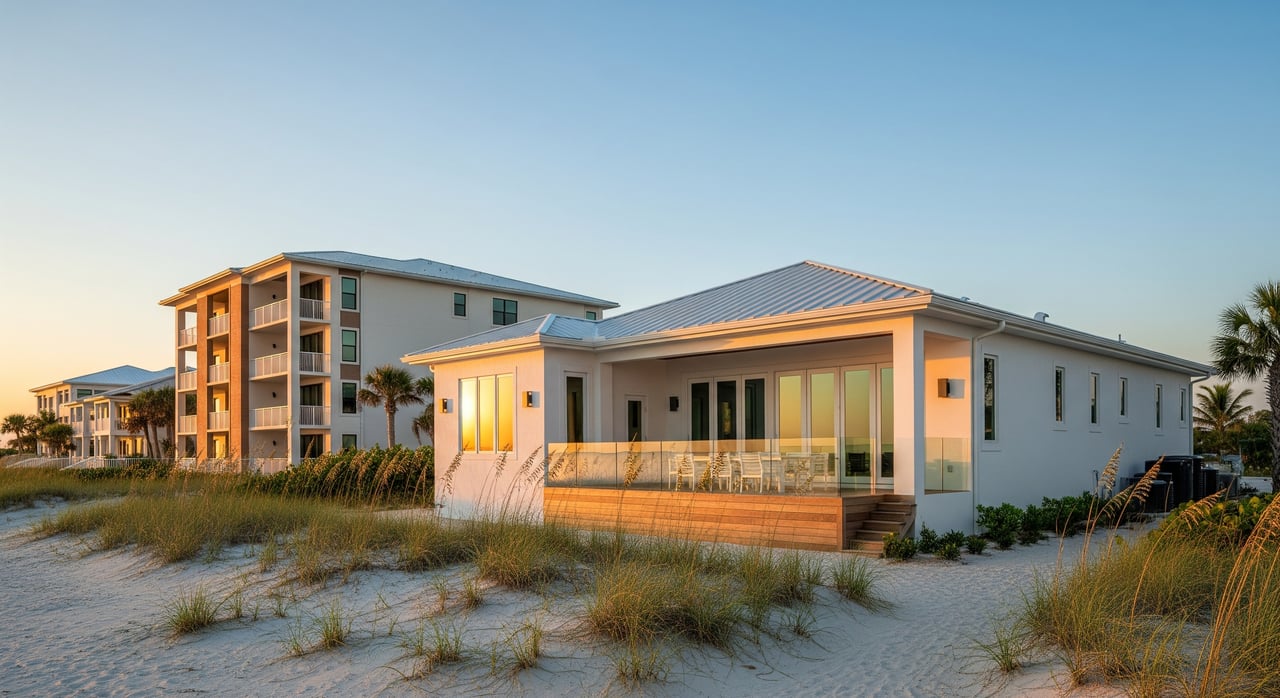
Manasota Key is a narrow barrier island with gulffront and bayfront living, small lots, and a mix of low-rise condos and single-family homes. Its coastal position brings elevated exposure to hurricanes, wind, storm surge, and salt corrosion. Many properties sit in FEMA-designated Special Flood Hazard Areas, so lenders often require flood insurance. Building age, lot size, and construction differ block by block, so risks and costs can vary even within a short stretch of road.
Coastal improvements like docks, boat lifts, and seawalls require permits from state and county agencies. Local short-term rental rules and taxes apply at the county and state level, and associations can add their own restrictions. Before you buy, plan to check FEMA Flood Insurance Rate Maps for the parcel, local permitting records for any seawall or dock work, and association rules if you are considering rentals.
With a condominium, you own the interior of your unit and a share of the common elements. The association typically maintains the exterior, roof, structural components, landscaping, and shared amenities. You pay monthly dues that fund operations, insurance on the building’s common elements, and reserves for future repairs. Associations operate under the Florida Condominium Act and can levy special assessments when reserves are not sufficient.
With a single-family home, you own the land and structure and control more decisions day to day. You handle all exterior and interior maintenance, plus seawalls and docks when applicable. If your home is in an HOA, you may have dues for shared roads or amenities, but many coastal lots are standalone or part of small associations. You carry your own property insurance and manage flood and wind coverage directly.
Condos shift exterior upkeep and many storm-related repairs to the association, in exchange for dues and potential special assessments. Single-family homes give you full control and flexibility, but you shoulder the full risk of large projects. If you prefer a lock-and-leave lifestyle with predictable monthly costs, the right condo can be a good fit. If you want privacy, space for a boat, and fewer community rules, single-family may serve you better.
Prices vary by water exposure, views, age, and size. Condos can offer a lower entry price per unit than many gulffront homes, but the range is wide on the island. Property taxes are assessed by the county based on value and local rates, and exemptions may apply for primary residences. For any specific property, review recent sales on the same block and confirm assessed values with the property appraiser.
Condo dues often include the building’s master insurance, exterior maintenance, common utilities, landscaping, pool care, and sometimes cable or Internet. Monthly totals vary by amenities and building condition, from a few hundred dollars to more than $1,000 in full-service gulffront complexes. Single-family HOA dues, when present, are usually lower unless the community offers robust amenities like private roads or docks. Always request the association budget and a line-by-line list of inclusions.
Condo associations carry a master policy for common elements and the building exterior. As an owner, you typically carry an HO-6 policy for interior improvements and contents, plus loss assessment coverage to help with your share of uncovered claims or deductibles. Windstorm and hurricane deductibles on master policies can be significant and should be reviewed.
Single-family owners purchase a homeowner’s policy that covers the entire dwelling, contents, and liability. Flood insurance is often required by lenders in flood zones, and wind/hurricane deductibles in Florida are commonly percentage-based. Because you insure the full structure, premiums can be higher than a condo owner’s HO-6, but you avoid shared association deductibles.
Condos spread major repair costs across owners through reserves and, when needed, special assessments. A strong reserve study will outline upcoming projects like roofs, painting, elevators, or seawalls if they are common elements. Single-family owners pay for all upkeep and capital repairs directly, including exterior paint, roof replacement, driveway repairs, and any dock or seawall work. Waterfront systems can run high, so confirm condition and permitting history before you buy.
Condo dues may include water, trash, or basic cable and Internet. Single-family owners pay utilities individually but can control usage and invest in efficiency upgrades. If you plan to be away for part of the year, ask about vacancy clauses or remote monitoring for HVAC and water systems.
Condos are simpler. You set your thermostat, lock the door, and go, assuming the association is well run and properly funded. If you value your time and want fewer vendor calls, this is appealing. Single-family homes require more hands-on care but give you flexibility in vendors, materials, and timelines.
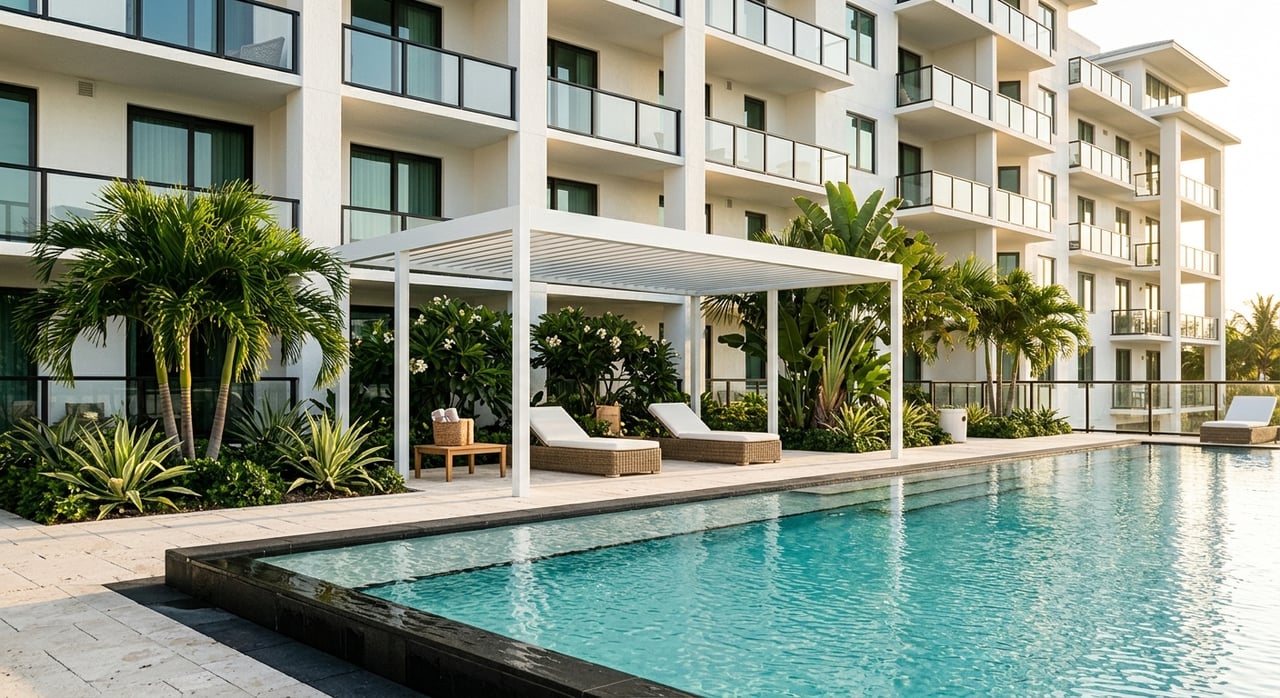
Condos often provide pools, fitness rooms, club spaces, and coordinated maintenance. This supports a social, low-effort lifestyle. Single-family homes tend to provide privacy and custom outdoor areas, with fewer shared amenities unless you are in a planned community. Decide if you want built-in amenities or the freedom to design your space.
Some condo communities offer deeded or rentable slips, but availability is limited and trailer storage is often restricted. Policies may include waitlists and added fees, so verify details early. Single-family homes are more likely to feature private docks, lifts, and on-site parking for trailers, subject to local rules. Docks and seawalls require permits and ongoing maintenance, which affects long-term costs.
Condos can appeal to a broad buyer base that values convenience and managed maintenance. High dues, rental limits, or building condition issues can deter some buyers. Single-family homes can command premiums for private water access and lot quality, but they come with greater exposure to big-ticket repairs. After a major storm, the complexity of selling a damaged single-family home can be higher than selling a unit in a building with professional management.
If you want a calm, financially grounded path to the right Manasota Key property, connect with a trusted advisor who pairs island expertise with CPA-level analysis. For tailored guidance and a strategy that fits your goals, reach out to Cindy Fischer.
Stay up to date on the latest real estate trends.
Whether buying or selling, Cindy's attention to detail and extensive knowledge of Longboat Key makes her the perfect choice to fulfill your real estate needs.