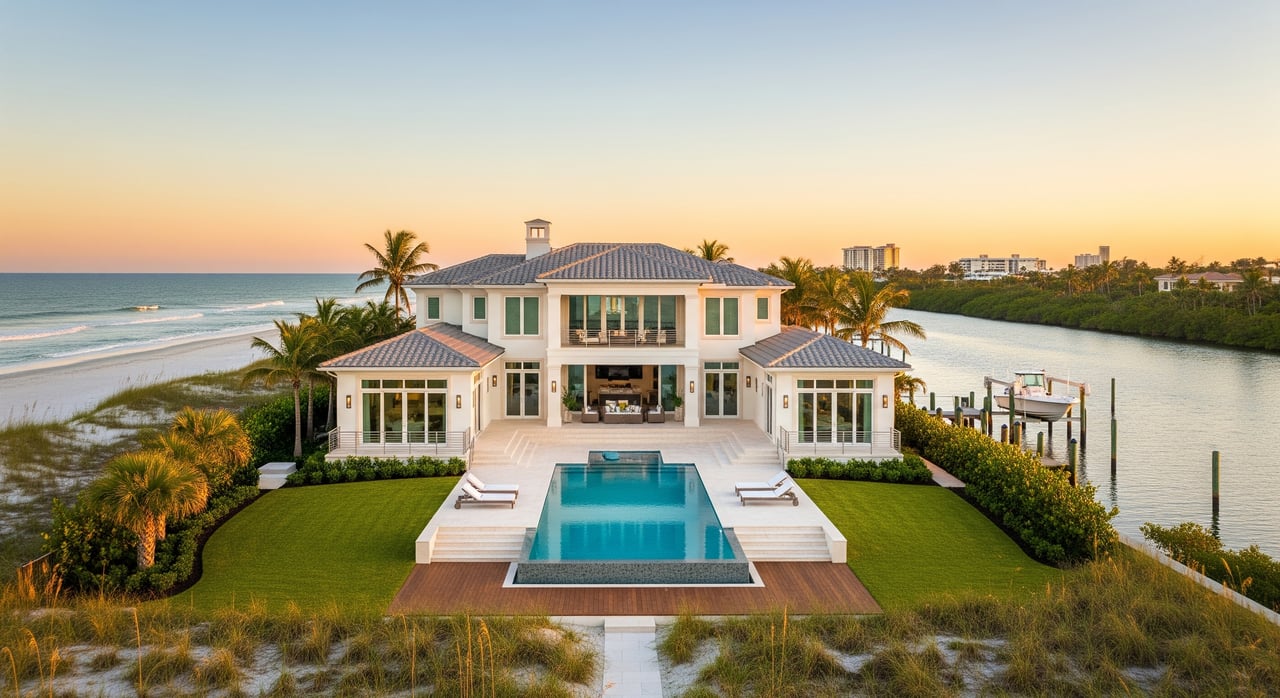
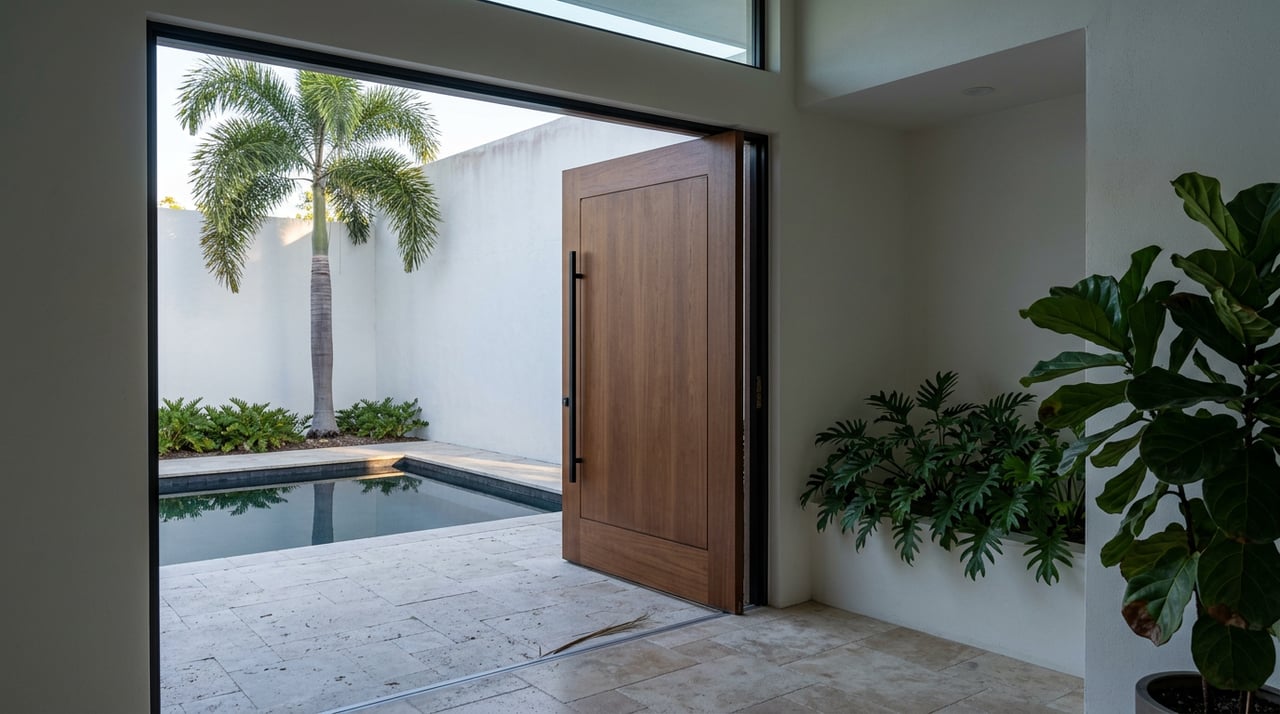
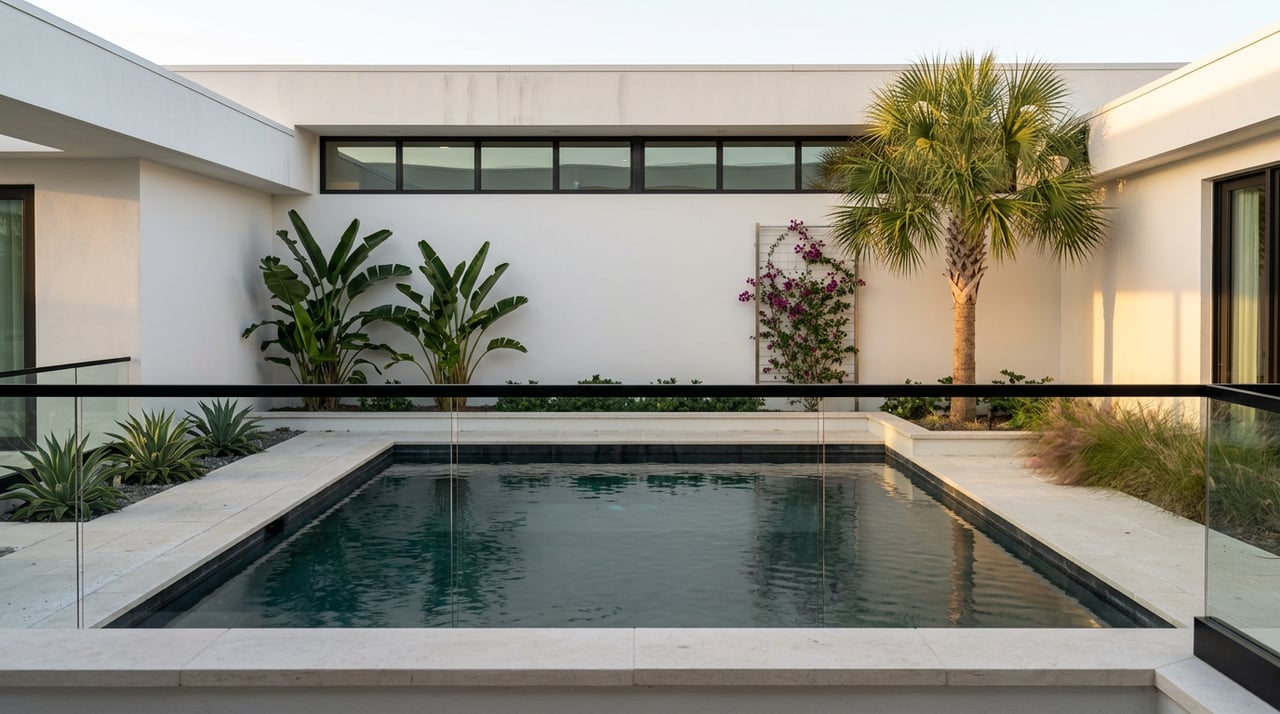
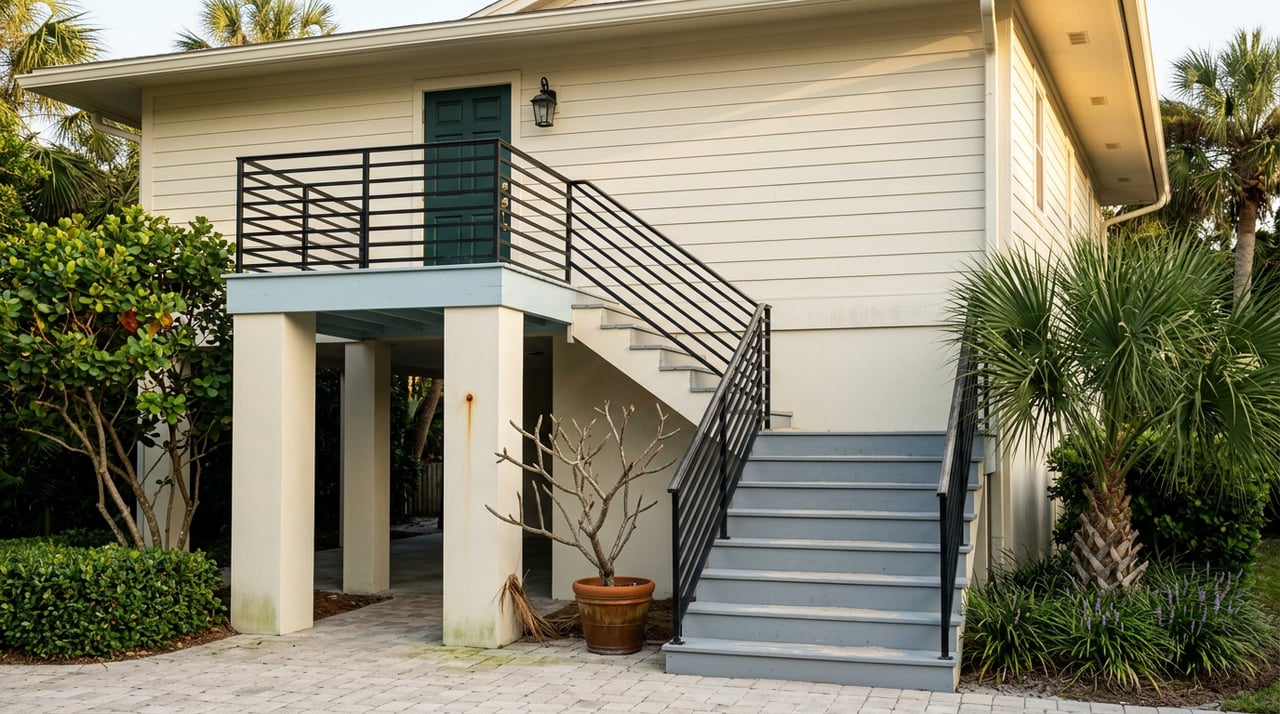
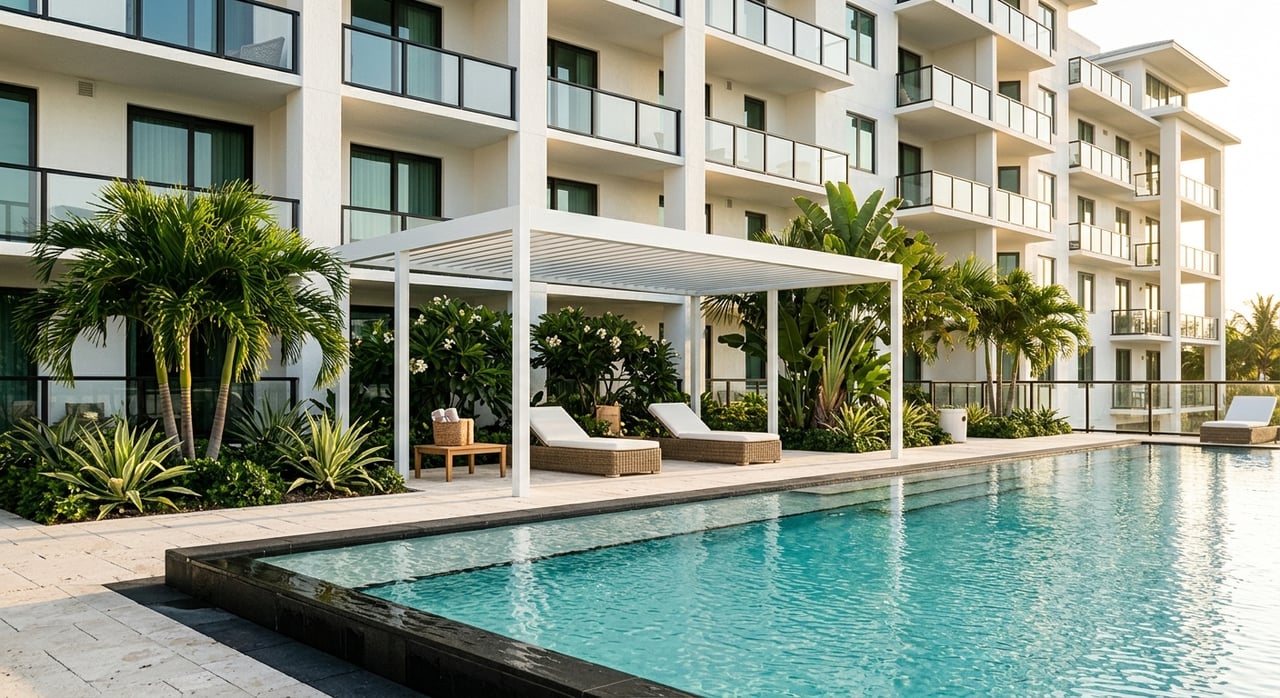
Sunset strolls on sugar sand or sunrise paddles in calm water. On Longboat Key’s north end, the side you choose shapes your day, your budget, and your resale story. If you are deciding between Gulf-front and bay-front living, you want clear differences, not guesswork. In this guide, you will compare lifestyle, boating access, maintenance and insurance, permitting, and resale factors specific to the Manatee County portion of Longboat Key. Let’s dive in.
Understand Longboat Key’s two coasts
Longboat Key is a narrow barrier island with the Gulf of Mexico to the west and sheltered bay waters to the east. The northern end sits in Manatee County, close to Anna Maria Island and Bradenton. The southern end is in Sarasota County.
“Gulf-front” means property that faces open water and the island’s beaches. “Bay-front” means property that faces the intracoastal and connected sounds, often with mangroves, canals, and marinas. Because the island spans two counties, always confirm which county a property is in. Jurisdiction affects taxes, permitting, and some local services.
Lifestyle differences that matter
Beach access and vibe
- Gulf-front: Direct beach access, stronger wave action, and classic beach-life energy. Expect dramatic sunsets and more seasonal foot traffic near public access points.
- Bay-front: Calmer water that is ideal for kayaking, paddleboarding, and nature watching. You often get a quieter, more private feel with fewer crowds outside your door.
Boating and marine access
- Gulf-front: You are on the beach, not a dock. Most Gulf parcels do not have deepwater mooring. To run a boat, you typically travel to inlets and channels.
- Bay-front: You are closer to docks, canals, and the Intracoastal. This side is better for frequent boaters who want a private slip or lift. Always check natural depth, channel access, and any shoaling.
Views and light
- Gulf-front: West-facing horizons, big sky, and sunsets. The views carry powerful curb appeal for marketing and resale.
- Bay-front: East and northeast exposures with sunrise light, mangroves, birdlife, and marina activity. Many buyers find these views more tranquil and nature-forward.
Privacy and activity
- Gulf-front: Expect more visitor activity near public access areas during peak season. Single-family stretches without public access feel more secluded but still experience beach use.
- Bay-front: Often more residential in tone, especially along canals and mangrove shorelines. Activity centers around boating rather than beach crowds.
Property types you will see
- Gulf-front: Luxury condos with direct sand access, high-value single-family beach homes, and very limited vacant land. Scarcity and frontage length drive premiums.
- Bay-front: Single-family homes with docks and lifts, canal estates, and condos with marina access. Value reflects both water views and practical boating features.
Risk, maintenance, and insurance
Flood zones and storm surge
Both coasts face hurricane and wind risk. Many Gulf-front parcels fall in FEMA coastal high-hazard VE zones with higher wave energy and stricter elevation requirements. Bay-front parcels can be in AE zones depending on elevation and proximity to channels. Flood zone, Base Flood Elevation, and construction details all influence insurance and lending.
Insurance costs
Waterfront ownership includes flood and windstorm coverage in addition to homeowners insurance. Premiums vary widely by elevation, building design, mitigation features, and exact flood zone. Ask for written quotes on the specific property rather than relying on area averages. Review recent policy renewals for similar nearby homes to reality-check assumptions.
Erosion, nourishment, and seawalls
- Gulf side: Beach erosion and dune dynamics are a reality. Many barrier islands participate in beach nourishment programs. These projects can be periodic and sometimes involve public assessments.
- Bay side: Seawalls and bulkheads are common and age over decades. Where mangroves are present, different environmental rules apply, and conventional armoring may not be allowed. Plan for inspection, maintenance, and eventual replacement.
Docks, depth, and permits
Bay-front docks, lifts, and any dredging require permits. Reviews can involve state and federal agencies, along with local approvals. Protections for mangroves and seagrass are significant. Natural shoaling and mean low water depth influence boat size and draft. Confirm existing permits, easements, and any dredging history before you buy.
Materials and upkeep
Salt, sun, and humidity accelerate wear on both sides of the island. Gulf exposure adds sand abrasion and higher wind loads. Plan for more frequent exterior coatings, hardware replacement, and proactive HVAC service. Budget for seawall, dock, and deck maintenance on the bay side.
Market and resale patterns
Pricing dynamics
Gulf-front properties command premium pricing due to direct beach frontage and expansive views. The buyer pool is strong for the classic beach lifestyle. Bay-front homes attract active boaters and privacy seekers. A well-sited property with a quality dock in deep or well-maintained channels can rival Gulf pricing for the right buyer.
Liquidity and seasonality
Longboat Key sees a seasonal demand lift in winter. Luxury waterfront listings can be less price-sensitive but may require longer marketing times at the top end. Unique features such as wide beachfront, a rare dock configuration, or superior elevation can improve liquidity.
Rental and HOA rules
Short-term rental policies vary by the Town and by community. For condos and planned communities, rental minimums, registration requirements, and guest policies impact returns and resale. Review HOA documents early, including reserve studies and any special assessments.
Buyer due-diligence checklist
Use this list before you write an offer. The goal is to confirm realities that drive value, enjoyment, and long-term costs.
- Jurisdiction and taxes: Confirm whether the property is in Manatee County or Sarasota County, since that affects taxes and some permitting.
- Flood data: Identify FEMA flood zone and Base Flood Elevation. Ask for the as-built elevation certificate.
- Insurance quotes: Obtain written quotes for flood, wind, and homeowners coverage for the specific address.
- Shoreline history: For Gulf, ask about local beach nourishment cycles, dune conditions, and any assessments. For Bay, ask about seawall age, engineering reports, and shared maintenance.
- Dock and depth: Confirm existing dock permits, mean low water depths, allowed boat size, any dredging history, and recorded easements or riparian rights.
- HOA or condo rules: Review rental restrictions, parking, pet policies, reserves, and any pending or recent special assessments.
- Utilities and drainage: Confirm sewer connection, stormwater management, and any scheduled infrastructure projects.
- Environmental constraints: Note mangrove or seagrass protections, shoreline setbacks, and limits on future modifications.
- Construction and mitigation: Document impact-rated openings, roof tie-downs, pilings, and any elevation work. Compare to current building codes.
- Comparables: Pull recent sales of similar Gulf-front or bay-front properties to frame market value and likely resale range.
- Access and travel: Map bridge routes, seasonal traffic patterns, and distance to marinas, medical, dining, and essential services.
How to choose your side
Choose Gulf-front if you want
- Direct sand access, swimming, and sunset horizons steps from your door.
- Strong lifestyle appeal for guests and future buyers who prioritize beaches.
- A visual “wow” factor that is hard to replicate elsewhere on the coast.
Choose bay-front if you want
- Private dock potential, easy Intracoastal access, and practical boating.
- Calmer water for kayaking, paddleboarding, and wildlife viewing.
- A quieter, more residential setting with sunrise light and nature views.
A smarter path to your Longboat Key fit
Choosing between Gulf and bay is as much about lifestyle as it is about risk, maintenance, and long-term value. On Longboat Key’s north end, county lines, flood zones, shoreline conditions, and dock feasibility can change from one block to the next. Bringing those details into focus early helps you buy with confidence.
If you want boutique guidance with financial clarity, curated property search, and introductions to trusted local specialists, connect with Cindy Fischer. As a Longboat Key resident and CPA-turned-advisor, Cindy blends island insight with rigorous due diligence so you get the waterfront that fits your life and your numbers.
FAQs
What is the core difference between Gulf-front and bay-front on Longboat Key’s north end?
- Gulf-front gives you direct beach access and sunset views, while bay-front offers calmer water, dock potential, and easier Intracoastal boating.
How do flood zones affect financing and insurance for Longboat Key waterfront?
- FEMA designations like VE and AE can require flood insurance and shape premiums, so confirm the zone, Base Flood Elevation, and get property-specific quotes.
Can I add or expand a dock on a bay-front home on Longboat Key?
- Often yes, but permits and environmental protections for mangroves and seagrass apply, and depth or shoaling may limit boat size and draft.
Do Gulf-front beaches on Longboat Key receive nourishment?
- Many barrier islands use periodic beach nourishment programs, so ask about recent projects, dune conditions, and any assessments affecting the area.
Which side typically has higher resale value on Longboat Key?
- Gulf-front often commands a premium due to scarce beach frontage, while well-located bay-front with quality dockage can rival it for boating-focused buyers.
How do I verify a property is in Manatee County on Longboat Key?
- Check county property records and confirm jurisdiction with your agent, since county lines affect taxes, permitting, and some local services.