Leave a Message

Thank you for your message. We will be in touch with you shortly.

Casey Key Luxury Real Estate & Estate Waterfront Guide

March 5, 2026

Is Casey Key calling your name, but you want clarity before you act? You are not alone. This island trades on privacy, rare waterfront geometry, and strict coastal rules, which can make values feel opaque. In the next few minutes, you will learn how frontage, elevation, and gulf-to-bay lots shape prices, what a realistic budget looks like, and the due diligence that smart buyers run before writing an offer. Let’s dive in.

What makes Casey Key different

Casey Key is a narrow barrier island with a single spine road and only two bridge connections. The layout keeps traffic light and the setting residential. You will not find high-rise towers or big resorts here. The island’s feel is private, quiet, and estate focused.

Public beach access is limited and concentrated near Nokomis Beach at the south end. Parts of the shoreline include conservation areas, and sea turtle nesting is significant on the island. These features shape how private a beachfront lot feels and what exterior work is allowed. You can read more about local access and conservation context in this overview of Casey Key beaches and nesting activity at BeachHunter’s Casey Key guide.

Barrier islands require storm awareness. During major weather events, you should expect temporary closures and possible evacuation orders. Local coverage explains how barrier island access can change during storms and preparations. See this summary of closures during Hurricane Milton from Sarasota Magazine.

Know the waterfront types

Waterfront geometry is the number one value driver on Casey Key. Here is how the main lot types differ.

Gulf-front

These parcels sit directly on the Gulf of Mexico. They offer sunset views and beach access. They also face the most wave energy and fall under stricter coastal rules. Expect CCCL and FEMA constraints to shape what and where you can build.

Bayfront on the Intracoastal

Bayfront lots enjoy calmer water, protected dockage, and easier boating. If you value reliable boat access, a deep, well-sited dock on the bay often beats the drama of the open Gulf. Depth, lift permits, and location within the waterway matter a great deal.

Rare gulf-to-bay estates

True gulf-to-bay parcels span from beach to bay on one legal lot. These are scarce and command premiums. A recent vacant lot sale highlighted how rare geometry can set new land value benchmarks on the island. See the news note on a high-profile gulf-to-bay lot sale from Axios Tampa Bay.

Vintage cottages and infill

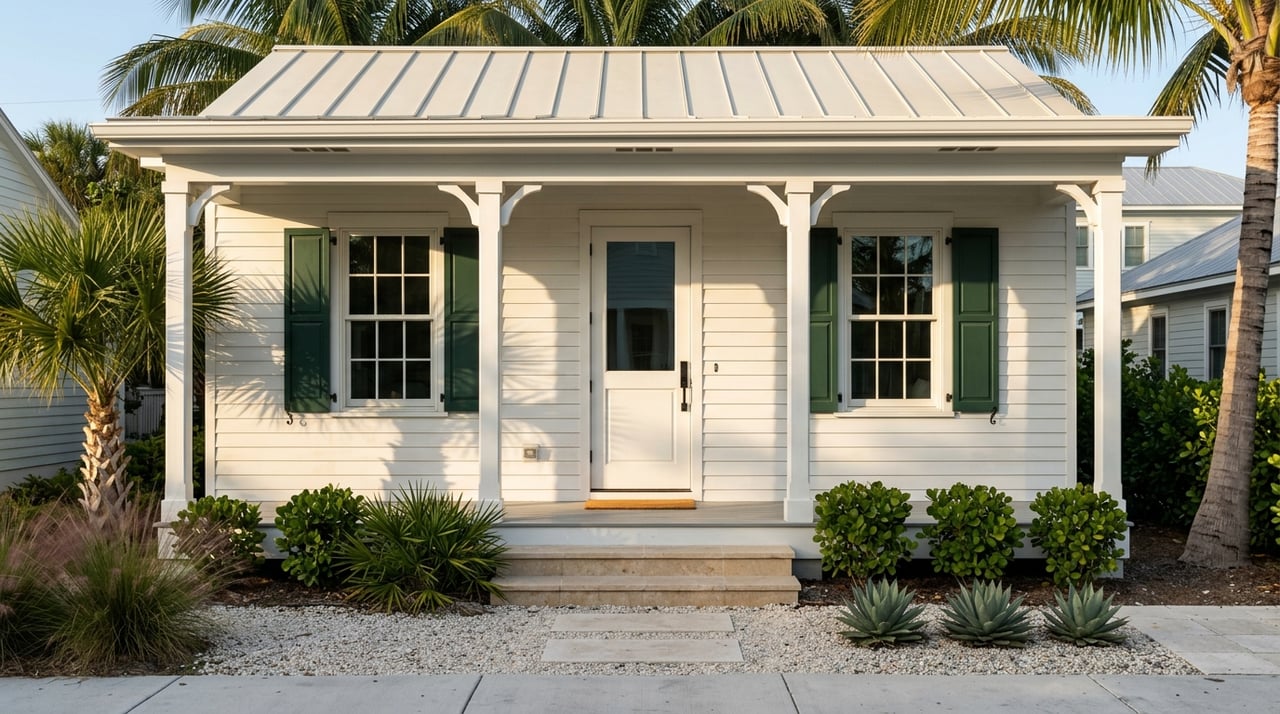
You will also see mid-century cottages on half-acre sites, often marketed for land value. That is why price per square foot can look strange on Casey Key. A tiny beachfront cottage listed for several million showed how structure size can be incidental to land value. For a vivid example, see this coverage from Southern Living.

Pricing tiers and what drives them

Every property on Casey Key is its own micro-market, yet there is a workable framework to triage budget.

  • Entry tier: smaller bayfront or older cottages often start in the low millions. Many need renovation or are purchased for the lot.
  • Mid tier: renovated homes and modest gulf or bayfront properties cluster in the low to mid millions. Local aggregated market data showed a median sold price of about 2.5 million in mid 2025. Because sales counts are small, medians swing month to month.
  • Upper tier: large gulf-to-bay estates and multi-acre compounds stretch into high single digits and well into eight figures. One reported record-level sale for a multi-acre gulf-to-bay compound closed around 16.5 million, which helps define the luxury ceiling. See the press item on a record sale at Newswire.

Why price per square foot misleads

On an estate island, land often sets value. A small vintage cottage on a half-acre beachfront site can post a towering price per square foot. That does not mean the structure is overvalued. It means the market is pricing the frontage, buildable area, and island scarcity. When you compare options, use frontage feet and acreage as your primary metrics. Use structure square footage as a secondary check.

What to compare instead

  • Price per linear foot of Gulf or bay frontage
  • Usable upland acreage after setbacks and CCCL constraints
  • Dock depth and functionality for your vessel type
  • Elevation relative to Base Flood Elevation and expected insurance costs

The value drivers to verify

On Casey Key, these features tend to move the needle most. Confirm each one during diligence.

  • Waterfront geometry. Gulf, bay, or true gulf-to-bay drives desirability and pricing. Recent land transactions show how scarce geometry can create a premium. See the gulf-to-bay lot context from Axios.
  • Frontage length. Linear feet on the Gulf and bay often matter more than interior square footage.
  • Dock depth and permits. Deep, protected water with permitted lifts is a core value feature. Review dredge history, permit files, and any grandfathered structures. For a practical permitting overview, use this Florida waterfront permitting guide.
  • Elevation and flood zone. FEMA zones and elevation relative to BFE affect insurance, lending, and rebuild options. Start with FEMA’s Map Service Center.
  • CCCL and shoreline structures. If any part of the lot lies seaward of Florida’s Coastal Construction Control Line, extra permits may apply. Check the FDEP’s CCCL program resources.
  • Seawalls, riprap, and dune walkovers. Condition and permit history point to near-term capital needs. The seawall and dock guide above also outlines records to request.
  • Usable upland and setbacks. Zoning, recorded easements, and overlay rules define the buildable envelope. Sarasota County’s code for barrier-island districts describes key controls. See the zoning code reference.
  • Privacy and landscaping. Mature vegetation, walls, and spacing between homes shape the estate feel many buyers want.

Buyer due diligence checklist

Use this list to move from interest to informed action.

  1. Confirm parcel basics
  • Pull the county parcel card, a recent survey, and any recorded easements or beach access rights.
  • Verify legal lot lines and measured linear feet of Gulf and bay frontage.
  1. Zoning and overlays
  • Confirm residential zoning and any special barrier-island overlays. Review Sarasota County’s zoning code for density and setback rules.
  1. Flood and elevation
  • Pull FEMA FIRM panels and check the Base Flood Elevation for the site through FEMA’s Map Service Center.
  • Obtain a current elevation certificate to support insurance quotes and lender needs.
  1. CCCL status and shoreline work
  • Identify whether any portion of the lot is seaward of the CCCL. Coordinate early with the FDEP. Use the FDEP A–Z index to locate CCCL contacts.
  1. Docks, lifts, and seawalls
  • Request all dock, lift, and seawall permits and engineering records. Confirm navigational depth at low tide. Review the state permitting guide to frame questions.
  1. Utilities and wastewater
  • Confirm water connection. Verify whether the property is on sewer or a private septic system. If septic, obtain service logs and drainfield locations.
  1. Insurance and lending
  • Get wind and flood quotes early. Lenders treat coastal high-hazard zones differently. Understanding costs up front can shape your price ceiling.
  1. Rentals and operating rules
  • Confirm any HOA or deed restrictions and local licensing for short-term rentals. For a primer on state-level rules, review this overview of Florida short-term rental laws.
  1. Comparable sales that match the frontage
  • Build a comp set by frontage type, frontage length, dock utility, elevation, and usable upland. Use structure square footage as a secondary factor.

Liquidity and competition signals

Supply on Casey Key is limited, and premium frontage is scarce. When a true gulf-to-bay parcel or a large compound hits the market, multiple offers are common. That scarcity underpins the high end. Prestigious closings also set reference points for future deals. The record-level sale of a multi-acre gulf-to-bay compound, reported around 16.5 million, illustrates the top tier of the island and informs seller expectations. You can see the press mention at Newswire.

Nearby islands offer different mixes of product and pricing. Places like Siesta Key and Longboat Key include more condos and resort-style amenities, which create different price peaks and liquidity patterns. Use those markets as context, then price Casey Key for what it is: a privacy-first estate island with scarce premium frontage.

Is Casey Key the right fit for you

Casey Key fits you if you value privacy, direct water access, and a residential setting more than walkable entertainment. If you boat, prioritize bayfront depth and permits. If you dream of beach-to-bay living, be ready to move decisively when a true gulf-to-bay parcel becomes available.

If you plan to renovate or build, engage coastal-savvy engineers and contractors early. The CCCL, FEMA elevation rules, and shoreline structures can shape timelines and costs. Frontage, elevation, and buildable area should anchor your valuation lens.

How a boutique, finance-first approach helps

When every parcel is a one-off, details win. A buyer-focused process on Casey Key should include:

  • A frontage-first valuation that prices linear feet, usable upland, and dock utility
  • A clear insurance pro forma with wind and flood quotes
  • A permit map for docks, seawalls, lifts, and any structures near the CCCL
  • A comp set that mirrors the subject’s geometry and elevation
  • A negotiation plan that reflects the island’s low inventory and sale cadence

You deserve a guide who blends local island knowledge with disciplined valuation and careful transaction management. If you are ready to explore Casey Key’s estate-style market with clear numbers and a calm, private-lane search process, connect with Cindy Fischer. Cindy pairs a CPA background with boutique buyer advocacy and Sotheby’s reach to help you move with confidence.

FAQs

What is a gulf-to-bay estate on Casey Key?

  • A single legal parcel that spans from the Gulf beach to the Intracoastal bay, combining private beach frontage with dockable bayfront, which is rare and commands a premium.

How much do Casey Key waterfront homes cost today?

  • Entry points often start in the low millions, the median hovered near 2.5 million in mid 2025, and large gulf-to-bay estates can reach well into eight figures based on recent reported sales.

What permits do I need for docks or shoreline work on Casey Key?

  • Expect permits for docks, lifts, seawalls, and any work seaward of the CCCL; start with FEMA maps, confirm CCCL status with the FDEP, and review dock permitting guidance for Florida.

How do storms and flood zones affect buying on Casey Key?

  • Flood zones and elevation drive insurance and lending, and barrier islands can face temporary closures during storms, so verify elevation, get quotes early, and plan for seasonal preparedness.

Are short-term rentals allowed on Casey Key?

  • Rules vary by property and any HOA or deed restrictions; confirm local and state licensing requirements for vacation rentals before you buy to avoid surprises.

Work With Cindy

Whether buying or selling, Cindy's attention to detail and extensive knowledge of Longboat Key makes her the perfect choice to fulfill your real estate needs.